

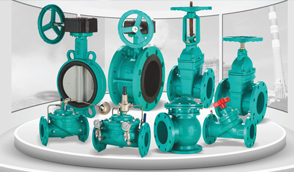




Gate Valve Structural Features and Engineering Applications
Gate valves are common shut-off valves in piping systems. They control media flow by moving the gate along the seat sealing surface vertically, and are generally not used for flow regulation. During opening and closing, the gate slides relative to the seat sealing surface, making them suitable for clean media pipelines.
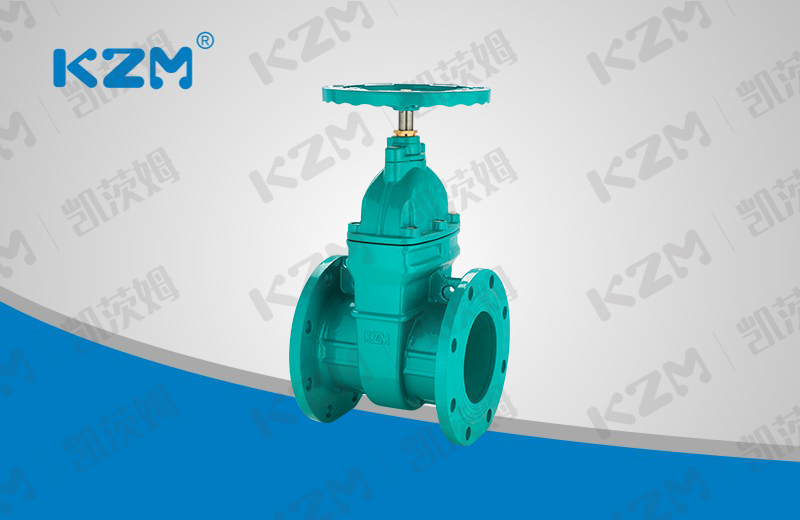
A gate valve mainly consists of the body, bonnet, gate, stem, sealing pair, and drive mechanism. By gate structure, they are divided into parallel and wedge types. Wedge gates offer better sealing performance and wider application; parallel gates have a simpler structure and are mostly used in low-pressure conditions. Stems are classified as rising or non-rising. Rising stems allow direct observation of the opening stroke, while non-rising stems save space and suit space-limited scenarios.
Gate valves have low fluid resistance, allow bidirectional media flow, and provide relatively stable opening and closing torque. However, their opening stroke is long, and sealing surfaces are prone to erosion by media particles, making them unsuitable for media with large amounts of solid particles or strong wear.
During selection, body and sealing materials should be matched to media characteristics, pressure, and temperature parameters. During operation, prolonged use in a half-open state should be avoided to prevent sealing surface erosion. Sealing surfaces and packing areas should be inspected regularly, and leakage issues addressed promptly to ensure stable piping system operation.



 Jing12011202000600

